Efficient air management is at the core of every comfortable home or workplace, and duct installation plays a vital role in ensuring proper airflow. Whether you’re upgrading your HVAC system or installing one for the first time, understanding the duct installation process and its components is crucial. This blog will provide a comprehensive guide to duct installation services, highlighting materials, processes, and best practices for optimal performance.
What Is a Ducting Service?
Ducting refers to a method of air management that uses a network of metal or plastic pipes, also called ductwork, to distribute heated or cooled air throughout a space. These systems are integral to HVAC (Heating, Ventilation, and Air Conditioning) setups, ensuring consistent air quality and comfort.
Ducts come in two categories:
Active Ducts: Utilize mechanical systems such as fans or blowers to control airflow.
Passive Ducts: Depend on natural airflow and pressure differences to circulate air.
Key Materials for Duct Installation
Choosing the right material for your ductwork is essential for durability, energy efficiency, and proper functioning. Here are the four most common materials used in HVAC air ducts:
1. Sheet Metal Air Ducts
– Typically made from galvanized steel or aluminum, these rigid ducts are long-lasting and resistant to mold growth.
2. Fiberboard Air Ducts
– Constructed from compressed fiberglass with a protective foil covering, these ducts are budget-friendly and offer thermal insulation.
3. Fiberglass Air Ducts
– Often used in commercial settings, fiberglass ducts provide excellent noise reduction and thermal insulation.
4. Flexible Air Ducts
– Made from a wire coil covered with flexible plastic, these ducts are versatile and easy to install in tight spaces.
7 Steps to Effective Duct Installation
Installing ductwork involves a mix of planning, technical expertise, and precision. Here’s a step-by-step breakdown to guide the process:
1. Design the Ventilation System Early On
Proper planning is the foundation of a successful duct installation. An early design ensures compatibility with the building’s structure and HVAC system.
2. Choose the Right Ducting Material
Consider the specific requirements of your space, including budget, durability, and airflow needs, before selecting a material.
3. Decide on the HVAC Location First
The placement of the HVAC unit significantly impacts the layout and efficiency of the duct system. Ensure it’s in a central, accessible location.
4. Avoid Long Runs and Bends
Straight and short duct runs improve airflow efficiency. Minimize the number of sharp bends to reduce air resistance.
5. Work with Existing Ducting (If Applicable)
If the property already has ductwork, assess its condition and determine if any parts can be reused or upgraded.
6. Ensure Proper Sealing
Leaky ducts can lead to energy loss and uneven heating or cooling. Use high-quality duct sealant or tape to prevent air leaks.
7. Commission the System to Check Airflow
After installation, test the system to ensure balanced airflow, adequate ventilation, and efficient operation.
The Ductwork Installation Process
Step 1: Create a Plan
The first step involves a detailed layout of the ductwork. An HVAC technician calculates the heat gain and loss for each room to determine the airflow requirements. This ensures the system provides consistent comfort throughout the space.
Step 2: Install Duct Vents
Once the layout is ready, holes are cut into walls or ceilings to install the duct vents. These vents will serve as entry and exit points for air circulation.
Step 3: Install Air Ducts
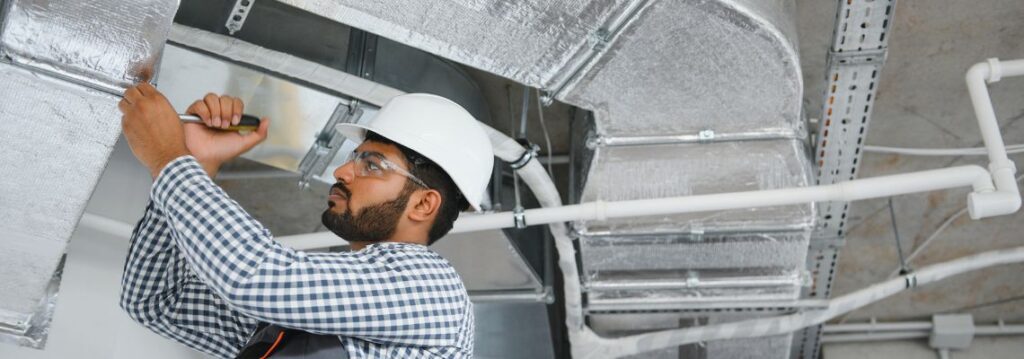
The air ducts are then connected to the HVAC unit and the vents. Each section is carefully measured, cut, and secured in place to create an airtight system.
Why Professional Duct Installation Matters
Improper duct installation can lead to issues such as:
– Uneven heating or cooling.
– Increased energy bills due to air leakage.
– Poor indoor air quality.
By hiring a professional duct installation service, you can ensure that the system is designed and installed with precision, meeting all building codes and industry standards.
Final Thoughts
A well-installed duct system is essential for maximizing your HVAC system’s efficiency and maintaining a comfortable indoor environment. Whether you’re installing new ductwork or upgrading an existing system, following the right steps and using quality materials is key to long-term performance.
For expert duct installation services, consult experienced professionals who can guide you through the process and deliver a system tailored to your needs. With proper planning and execution, you’ll enjoy consistent airflow and energy efficiency for years to come.