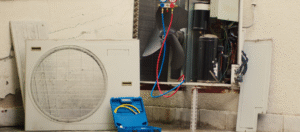
A heat pump is an efficient machine that functions as an air conditioner in the summer, and in the winter, it functions as a heater for your home. We can save the expensive fuel from burning in the furnace. It simply moves the heat from outside air into your home rather than burning, making it a very energy-efficient heating system.
A heat pump is a modern home appliance that is much smarter than the old furnace and air conditioner setup because it can do both jobs in one machine. Instead of burning fuel to make heat in the winter like a furnace or just blowing out cool air in the summer (like an AC), a heat pump works by simply moving heat. It pulls heat from outside into your house in the winter to warm you up, and pulls heat from inside your house and dumps it outside in the summer to cool you down, which makes it incredibly efficient because it’s only using electricity to power the transfer, not to create the warmth from scratch.
Even when the air outside is below minus degrees, it still holds a little bit of heat energy, like a freezer still holds a little bit of air. The heat pump uses a special liquid called a refrigerant to absorb that small amount of heat. A compressor then squeezes that refrigerant very hard, which makes the absorbed heat hot enough to warm your house. In short, a heat pump doesn’t make heat, it just finds the existing heat outside, even in extreme cold, and moves it inside using a compressor to make it warmer.
Let’s make it easier to understand what exactly heat pumps are and prove that modern heat pumps work really well in the freezing weather of Canada. Installing a heat pump could be a smart and cost-saving improvement for your Ontario home.
What Exactly Is a Heat Pump?
To understand what exactly a heat pump is that it does not create heat it moves the heat. Let’s understand it with an example, A heat pump is like a reversible air conditioner or refrigerator. It doesn’t make new heat, it just uses a little bit of electricity to grab existing heat from one place and physically move it to another.
In Summer, it is Similar to a standard air conditioner, it extracts heat and humidity from your home and expels it outdoors, and in winter, the cycle is reversed. It transfers heat into your house by compressing and drawing it from the cool outdoor air.
Heat Pump vs Furnace Canada:
The most widespread misconception is that in Canada’s winter, a heat pump is worthless. This was a true statement 20 years ago, but Cold Climate Heat Pump technology has revolutionised the industry.
The modern Cold Climate Heat Pumps are designed especially for areas such as Ontario. Even in unexpectedly low temperatures, these units can extract significant heat from outdoor air because of their sophisticated compressors and refrigerants.
Most of the winter, above -15°C: The heat pump operates smoothly and effectively. To absorb the mild outdoor heat and transfer it indoors, it uses a small amount of electricity. You can save the most money hereWhen the temperature drops below -15°C, the heat pump must work much harder to locate and transfer the remaining heat from the outside air. Although it can still move furniture, it does so more slowly and with greater energy consumption.
The Financial Picture:
Being honest, installing a heat pump in Ontario can be more than just replacing an air conditioner and furnace, respectively. As a homeowner thinking about upgrading, this is an obstacle.
The picture completely changes, however, when you consider the total cost of ownership over 5, 10, and 20 years, especially when you take into account the financial assistance that is now accessible.
Even with a high-efficiency furnace, you are still paying to burn a fuel source, and natural gas prices can change over time. Homeowners typically see a significant reduction in their annual utility costs when they switch the majority of their heating load to an energy-efficient heating device that simply transfers heat.
Many people observe that the heat pump saves them money in two different ways, it costs less to heat in the winter and to cool in the summer than an older air conditioner would.
- Making Installation Affordable:
To reduce Canada’s greenhouse gas emissions, Canadian homeowners are encouraged to switch to heat pumps through provincial efforts. This suggests that significant financial incentives are often provided to offset the cost of installing a heat pump in Ontario.
A significant portion of the installation cost may sometimes be paid for by funding such as the Greener Homes Grant, which can return thousands of dollars. Because of these discounts, the unit’s effective price is frequently competitive with a standard AC and furnace replacement, which is why timing is so crucial.
Year-Round Comfort and Control
We must not forget that heat pumps are outstanding air conditioners for those sweltering Ontario summers, even though most people concentrate on how they manage the winter months. A heat pump uses “modulating performance,” which allows it to operate steadily and gently at lower power than older AC units that abruptly turn on and off. Its greatest advantage is that it runs steadily and continuously, which allows it to extract moisture from the air with remarkable efficiency. Eliminating that sticky humidity makes your house feel much drier and comfortable, which is more significant than simply turning down the thermostat on a hot summer day.
Making the Decision
Family HVAC always advises a customised consultation. In the following situations, switching to a heat pump makes the most sense:
In certain situations, switching to a heat pump makes the most sense. First and foremost, installing a dual-fuel heat pump system offers the largest immediate return on investment and energy savings if you need to replace both your failing air conditioner and your existing furnace (if it is more than 15 years old). A heat pump is also an obvious choice if your house currently uses expensive heating sources like electric baseboards or propane, because the savings are frequently so large that the payback period for your heat pump installation Ontario is surprisingly very quick. Lastly, one of the best things homeowners can do to lessen their carbon footprint and value the environment is to convert from natural gas combustion to electricity-powered heat transfer.